
Is Your Roof Leaking Again This Winter? Here’s What It Really Means (and What to Do Next)
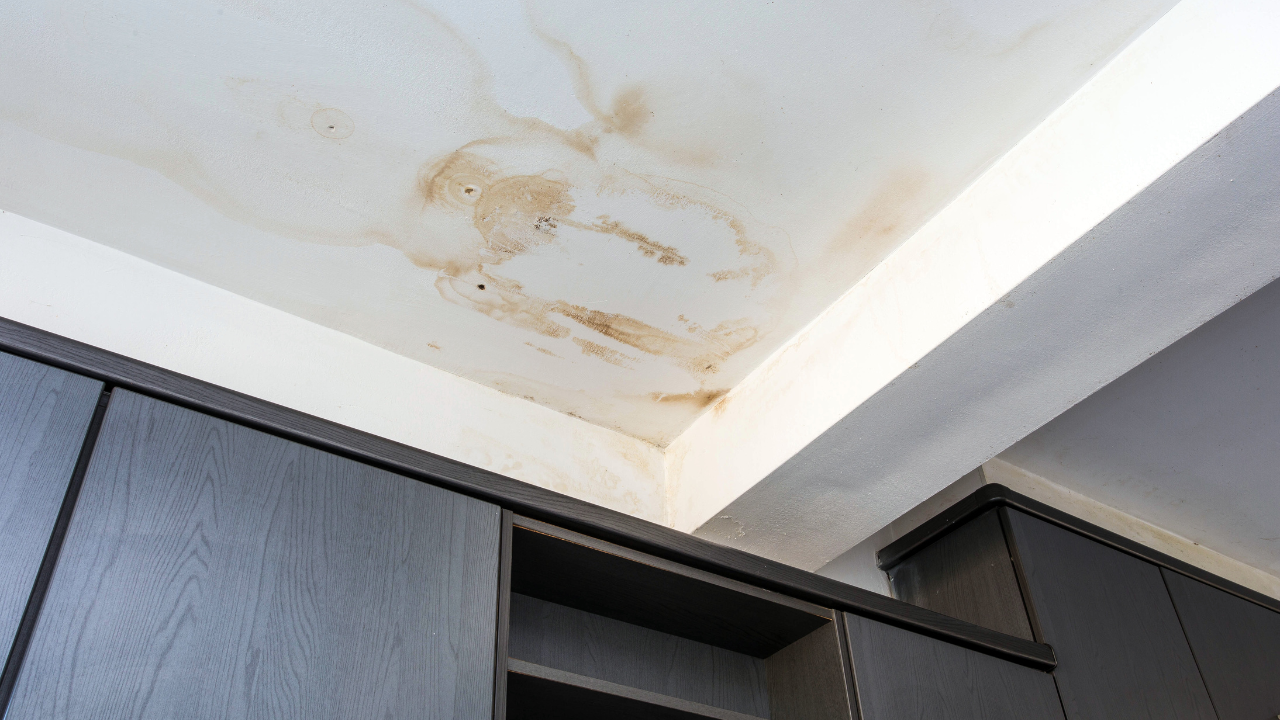
Another winter, another leak?
It happens every year.
The snow starts piling up, the temperature drops, and before long — you’re back dealing with the same leak in your building. Maybe it’s near a drain. Maybe it’s around a skylight. Maybe it’s a new one this time.
Either way, it’s back, and you’re tired of throwing more money at short-term fixes.
We get it. At American Builders, we work with property owners and facility managers across Elkhart, Northern Indiana, and throughout the Midwest, and this is one of the top calls we get during the winter months:
“Hey, we’ve got a leak again. Can you come take a look?”
And we do. But here’s the thing — a winter roof leak isn’t just a minor nuisance. It’s usually a sign of something bigger. Something that’s been building over time. And if you don’t address it the right way, it’s going to keep coming back.
What Winter Roof Leaks Are Really Telling You
A lot of people think roof leaks happen because of one bad spot — a crack, a missing screw, maybe some old sealant.
And sometimes that’s true.
But most of the time, especially during winter, a leak is actually a warning sign that the roof system as a whole is starting to break down.
Here’s why winter tends to bring out the worst:
1. Freeze-Thaw Cycles Expose Weak Points
In Northern Indiana and across the Midwest, we get constant shifts in temperature — warm one day, freezing the next.
That’s a problem for older commercial roofs.
Here’s what happens:
Moisture sneaks into small cracks or open seams
It freezes overnight and expands
That expansion widens the gap
The next melt? Water comes pouring in
Over time, even tiny weaknesses become major leak points.
2. Ponding Water Turns Into Ice Dams
Flat or low-slope commercial roofs often have areas where water tends to sit and pool. In warmer months, it might just evaporate. But in winter?
That water freezes.
Then melts.
Then freezes again.
And before long, you’ve got an ice dam — which can push water under membranes, into seams, and right through your ceiling.
If you’re seeing repeat leaks near low spots or drains, ponding is probably the culprit.
3. Membranes Get Brittle in the Cold
Older roof membranes — especially TPO, EPDM, and PVC — tend to lose flexibility in cold weather. That makes them more prone to:
Cracking
Splitting
Pulling away from seams and penetrations
So when a leak shows up in winter, it’s often because your membrane is just too worn out to keep up with the temperature swings.
4. Sealants and Flashing Start to Fail
Nothing lasts forever — and that includes the flashing and caulking around rooftop penetrations. Vents, HVAC units, pipes — they’re all weak spots if not maintained.
In winter, sealants shrink. Flashing pulls loose. And the gap left behind is all water needs to get in.
Bottom line? If your roof is leaking again this winter, it’s not just bad luck.
It’s your roof telling you it’s time for a bigger fix.
What to Do When Your Roof Leaks in Winter
When water’s dripping into your building in the middle of January, your first instinct is probably the same as everyone else’s:
“Let’s just patch it and deal with the rest later.”
And sometimes, sure — you need to stop the bleeding. We do emergency repairs all the time around Elkhart and the surrounding areas, especially when a storm rolls through or a leak threatens equipment, inventory, or operations.
But here’s the truth most roofing contractors won’t say out loud:
You can’t patch your way out of a failing roof system.
If your roof is leaking again this winter — after being patched last year (or the year before) — that’s not a fluke. It’s a system that’s aged out of reliability.
So what should you do instead?
Step 1: Don’t Wait for Spring
A lot of building owners think they have to wait until warmer weather to deal with a roof problem. That’s not always true.
We can:
Inspect the roof now
Identify what’s causing the leak
Make a targeted, temporary repair if needed
And help you plan a permanent solution for early spring, before the rush hits
Waiting often means more damage. More leaks. And a bigger bill down the line.
Step 2: Get a Full Roof Evaluation
The best move you can make right now? Get a professional to walk your roof and evaluate its overall condition.
Not just the leak spot. The whole system.
At American Builders, we’ll do a full inspection — for free — and show you:
What’s causing the leaks
How far the damage has spread
Whether your roof’s still restorable
And what it’ll take to fix it for good
No pressure. No hard sell. Just a clear look at what’s really going on up there.
Step 3: Consider Roof Restoration
If the roof is still structurally sound — and most are — there’s a good chance we can stop the leaks and extend your roof’s life by 10 to 20 years without tearing anything off.
That’s what Conklin roof restoration is built for.
How Roof Restoration Stops Leaks — for Good
By the time you’ve dealt with a few winter leaks, you’ve probably spent more on “repairs” than you realize. A little here, a little there — but the problem keeps coming back.
That’s where roof restoration comes in. Not as another patch. But as a complete system upgrade — without the cost, mess, or disruption of a full replacement.
At American Builders, we use Conklin roofing systems to restore commercial roofs across Indiana, Michigan, Ohio, and Illinois — especially flat and low-slope roofs that struggle in winter.
Here’s how it works.
Step 1: We Identify the Trouble Spots
First, we assess your roof’s condition:
What areas are leaking?
Are the seams failing?
Is water ponding in low spots?
Is the membrane brittle, cracked, or shrinking?
As long as the roof deck is still solid and the insulation isn’t waterlogged, restoration is usually a great option.
Step 2: We Repair and Reinforce the Problem Areas
We don’t just coat over damage. We:
Clean and prep the surface
Reinforce seams, drains, and flashing
Replace worn-out sealants
Spot-repair any isolated trouble areas
That gives us a solid base to build on — and gives you confidence that the leaks are getting fixed right.
Step 3: We Install a Full Waterproof Coating System
Once the prep work’s done, we apply a seamless, waterproof membrane over your entire roof. This is where the Conklin system really shines.
The finished surface is:
Watertight
UV-reflective
Flexible in cold temps
Warrantied up to 20 years
It’s not a patch. It’s a complete upgrade — designed to stop leaks, handle freeze-thaw cycles, and help your building stay efficient year-round.
Step 4: We Help You Keep It That Way
After installation, we offer simple maintenance options so you can extend your roof’s life even further. Many of our clients go 20+ years with their restored roof — and when the warranty period’s up, we can recoat it again.
That means no tear-off. No downtime. And no more winter leaks.
Leaking Roof? Here’s What to Do Next.
If your commercial roof is leaking this winter, don’t wait for spring. Don’t keep patching the same problem. And definitely don’t let water damage your building just because it’s cold outside.
You’ve got options — and American Builders is here to help you sort through them.
We’re based in Elkhart and serve businesses all across Indiana, Michigan, Ohio, and Illinois. We specialize in commercial roof restoration, and this time of year, we’re out inspecting roofs daily for leaks, cold-weather damage, and signs of roof failure.
Here’s what you should do right now:
Reach out to us for a free roof evaluation
We’ll come out, inspect the roof, and show you exactly where the problems are — with photos and straight talk.Get a clear plan — not a sales pitch
We’ll tell you if a repair makes sense, if restoration is a fit, or if your roof really does need replacement (and why).Plan your next move
Whether you need a short-term fix or a spring restoration, we’ll help you get ahead of the issue now — not after it’s soaked your ceiling or ruined your inventory.
Stop Reacting to Roof Leaks. Start Solving Them.
Winter leaks are more than a nuisance — they’re a sign your roof’s trying to tell you something.
Let’s fix it for good.
Reach out today to schedule your inspection and get a real solution — one that lasts well beyond this winter.